24 November 2026
A Homeowner's Guide to Removing Moss From Garden Paths
Presented by @fernandoidnc564
Garden paths add charm, structure, and accessibility to outdoor living spaces, but persistent moss growth creates unsightly discoloration and dangerous slip hazards. In the northern suburbs of Melbourne—from the shaded heritage properties of Northcote and Coburg to newer residential blocks in Craigieburn and Mernda—varying soil moisture levels, heavy clay foundations, and winter rainfall cycles frequently encourage moss to flourish between pavers, bricks, and concrete walkways.
Eliminating moss requires an approach that balances immediate removal with surface preservation and long-term prevention. Using the correct methods safeguards paving materials while keeping exterior walkways pristine and slip-resistant throughout the year.
Why Garden Paths in Melbourne's Northern Suburbs Attract Moss
Moss thrives in damp, cool, shaded environments where moisture remains trapped on porous surfaces. Melbourne's distinct climate pattern creates optimal conditions during the prolonged wet spans of late autumn, winter, and early spring. Additionally, the dense tree canopies common in established northern pockets provide deep shade, blocking the natural sunlight that typically inhibits spore germination.

Pavers laid over poorly drained sub-bases—often compounded by the reactive basalt clay typical of northern Melbourne—retain surface water longer than well-aerated soils. Over time, organic matter settles into the paver joints and porous concrete fissures, providing an ideal nutrient bed for moss spores carried by seasonal winds.
Proven Methods to Remove Moss from Paving
Selecting the right treatment depends on the paving material and surrounding garden life. Delicate bluestone, exposed aggregate, and sandstone require gentle techniques to avoid surface https://rylancgvu500.yousher.com/effective-techniques-for-pressure-washing-tennis-courts pitting or staining, whereas standard concrete can withstand slightly more vigorous cleaning.
Eco-Friendly and Mechanical Eradication
Modern exterior maintenance practices in 2026 increasingly favour eco-friendly treatments that protect adjacent garden beds and stormwater run-off. Applying direct boiling water to young moss breaks down the plant's cell walls immediately, causing it to wither within hours without altering the chemical balance of your soil.
For more stubborn patches, concentrated household white vinegar mixed with warm water creates a mild acidic spray that dries out the growth. Once the moss turns brown and brittle, a stiff-bristled wire or stiff nylon broom can be used to loosen the root systems from the path joints without causing mechanical abrasion to the paver edges.
Targeted Removal Protocol
- Surface Preparation: Vigorously sweep the path dry to eliminate loose dirt, autumn leaves, and surface debris, exposing the moss roots directly.
- Treatment Application: Saturate the growth on a dry, overcast day using a specialised biodegradable moss eliminator or a diluted horticultural vinegar solution.
- Dwell Time: Allow the treatment to dwell for 24 to 48 hours so the active components fully penetrate the cellular structure down through the jointing sand.
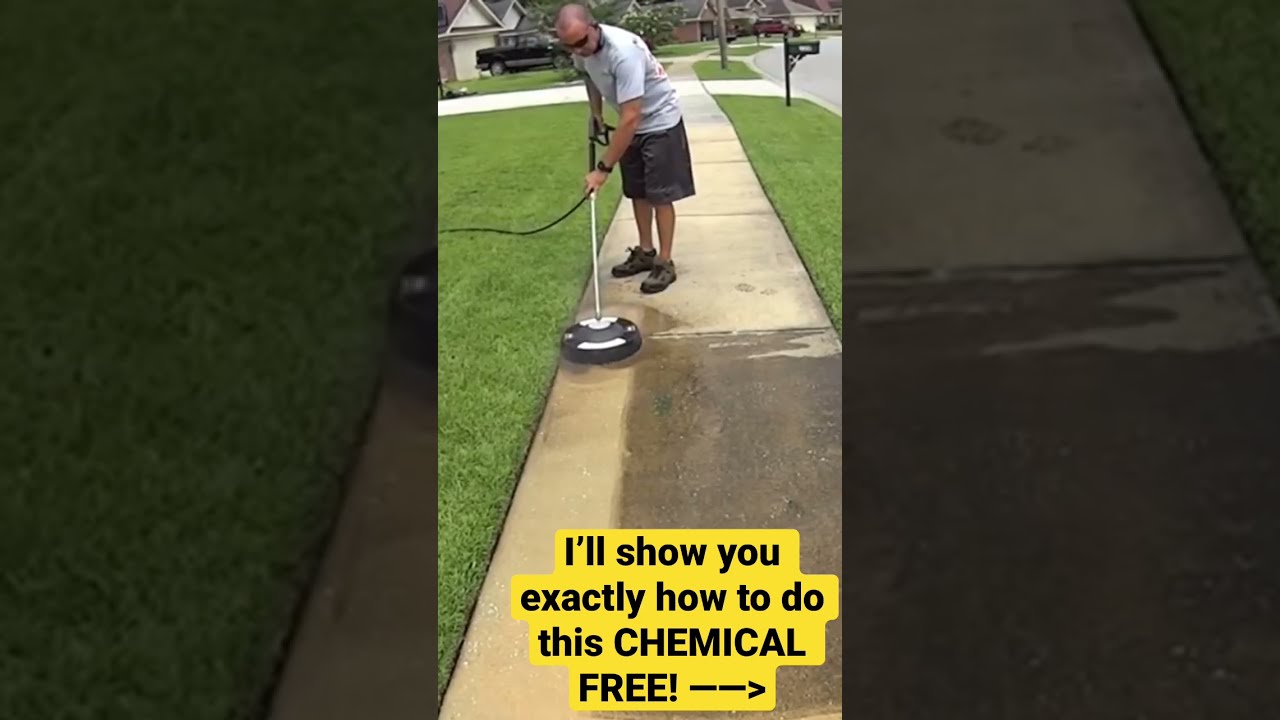
- Scrubbing and Rinsing: Agitate the dead foliage using a high-density patio broom, then rinse the surface thoroughly using a wide-fan pressure washer nozzle held at a safe 45-degree angle.
Long-Term Prevention and Path Maintenance
Eradication is only half the battle; preventing spores from recolonising requires addressing the root environmental factors. Ensuring path surfaces dry quickly after rainfall is the most effective deterrent against new moss colonies heading into 2027 and future seasons.
Trim back overhanging shrubs, low-hanging tree branches, and ground covers that cast dense shade over paths during the cooler months. Maximising sunlight exposure accelerates moisture evaporation and naturally discourages spore formation. Additionally, ensure that surface stormwater slopes away from walkways, redirecting downpipe overflow and garden bed run-off away from paved zones.
Routine Prevention Checklist
- Replenish Jointing Sand: Fill voids between pavers with polymeric or kiln-dried sand to block gaps where spores accumulate.
- Apply Protective Sealers: Coat porous surfaces with a breathable, penetrating sealer to limit water absorption without creating a slippery finish.
- Clear Organic Matter Weekly: Sweep wet leaves and lawn clippings promptly before decomposing mulch forms an organic moss bed.
- Monitor Shaded Microclimates: Inspect south-facing path sections periodically after seasonal heavy downpours to treat micro-growth before it spreads.
Consistent maintenance, proactive pruning, and timely surface treatments ensure that garden pathways across Melbourne's northern suburbs remain safe, durable, and visually appealing year-round.
Melbourne Northern Suburbs Pressure Cleaning
(03) 8820 1424